
Connecting classrooms with community
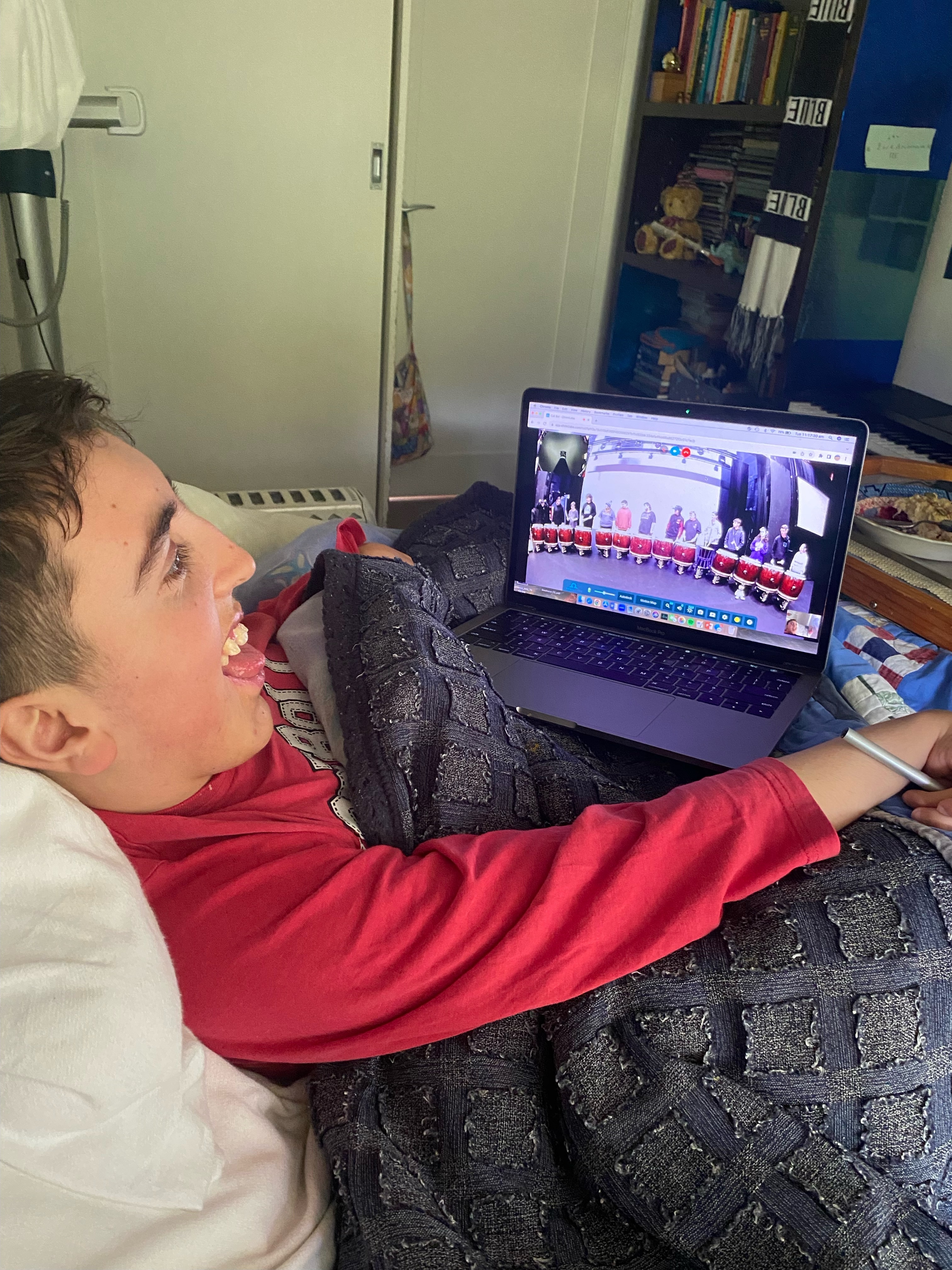
A Tasmanian Community Fund-supported project helping students stay connected to their classrooms during extended absences is also strengthening the links between schools, families and community support services across the state.
Following the successful pilot of robotic telepresence technology between 2021 and 2024, MissingSchool is now working alongside the Department for Education, Children and Young People (DECYP) to scale its ‘learn from anywhere’ model across Tasmania.
While the wider rollout is still underway, 10 students are already using the technology in eight Tasmanian schools, with every participating student reporting a stronger sense of connection to their classroom.
Alongside the technology, MissingSchool has undertaken an extensive mapping project to identify the organisations supporting children with complex medical and mental health conditions.
Co-founder and CEO Megan Gilmour said the project had identified 196 Tasmanian organisations working across children's health, mental health, disability and neurodiversity, many of which were previously unknown to one another and the schools they could support.
"What emerged is a picture of community that we don't think exists anywhere else in the state," she said.
"It's a skeleton of small and large organisations working with families, many of them unknown to each other and to the schools they could be working with."
The organisation has also supported hundreds of families and educators through its helpline, developed teacher resources and training, and worked with policymakers to help embed more inclusive learning practices across Tasmania.
Ms Gilmour said the technology was making a tangible difference for students who would otherwise become isolated from their education.
"When illness or circumstance takes a child out of the classroom for weeks or months, they lose both at once,” she said.
“Two-way telepresence keeps the child in their own class, with their own teacher and friends, in real time.
“Telepresence protects learning, identity and wellbeing when physical attendance isn't possible."
One year nine student living with a complex heart and vascular condition has already benefited from the program.
After months of disrupted schooling and extended absences, telepresence technology has helped her reconnect with classmates, continue her learning and regain confidence in her education.
Looking ahead, MissingSchool will continue working with DECYP to expand the model across Tasmania while building stronger connections between schools and the network of organisations supporting children and young people.
"What excites us now is what the community map makes possible," Ms Gilmour said.
"One hundred and ninety-six organisations, each in its own lane, can become a super highway to change for Tasmanian children if they can see each other and move together."