
Evaluation highlights impact of early intervention for young people
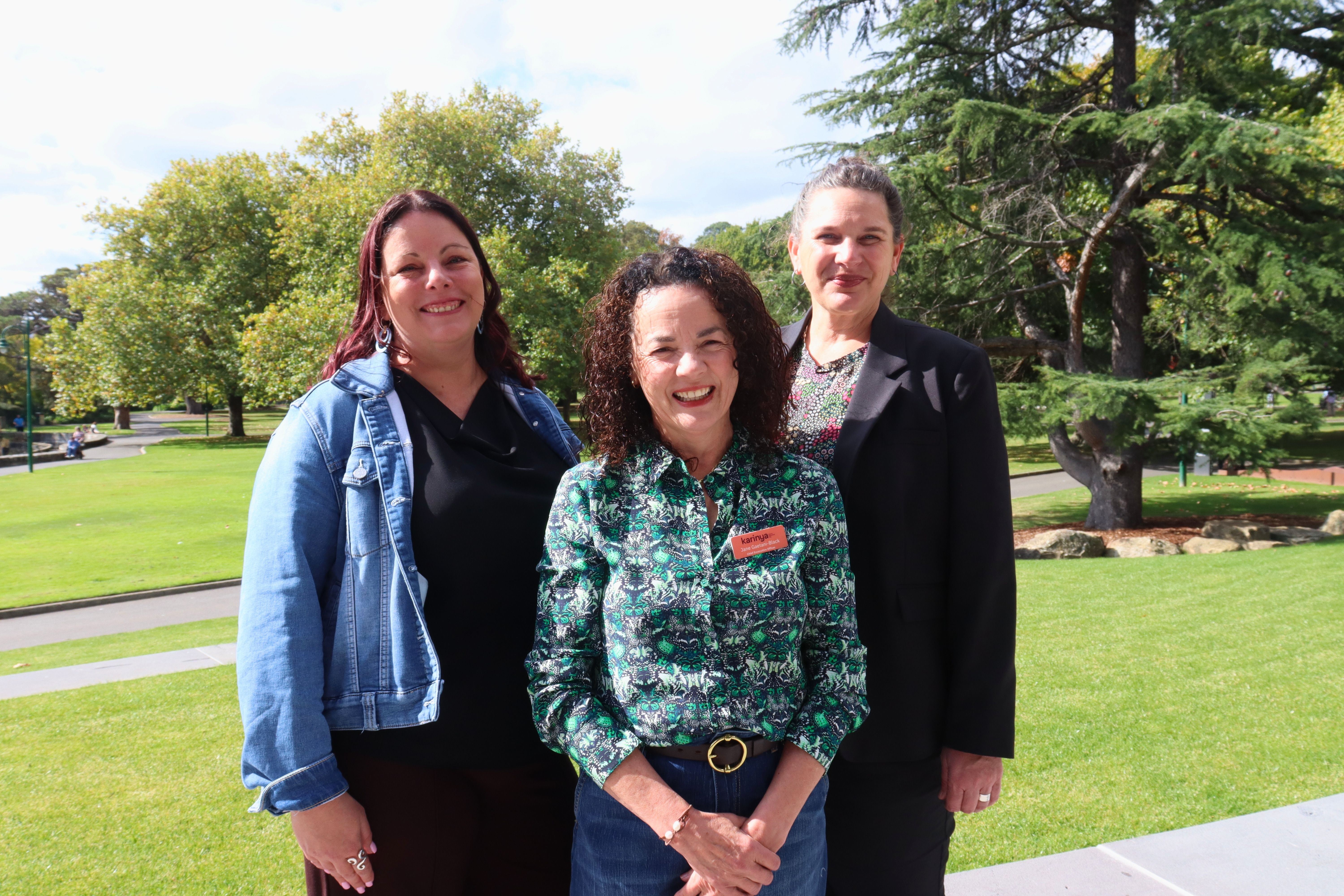
A new independent evaluation of the Karinya Youth Transitional Tenancy (KYTT) Program has highlighted the importance of early intervention in preventing youth homelessness.
Led by researchers from the University of Tasmania, the evaluation found that combining safe, stable accommodation with wrap around support delivers meaningful, long term outcomes for young people at risk of homelessness.
The KYTT program, delivered by Karinya Youth Services Tas and supported through the Tasmanian Community Fund, provides young people with access to secure housing alongside tailored support to improve health, wellbeing, education and employment outcomes.
Karinya Youth Services Chief Executive Officer Jane Gaetani-Black said the findings reinforced what frontline services have long understood.
“Karinya’s goal is to change the trajectory of a young person’s life toward stability, wellbeing and opportunity,” she said.
“Our experience shows that when we combine safe accommodation with professional and practical support, young people have the best chance of successfully transitioning to independence and building healthy, productive futures.”
“We now have clear evidence that early intervention makes a real difference.
“When we step in at the right time, we can prevent homelessness before it becomes a lifelong cycle of disadvantage, lost opportunity and welfare dependence.”
Ms Gaetani-Black said continued investment was critical to maintaining these outcomes.
“This program is delivering real outcomes, but it is now at risk,” she said.
“With funding due to end in August, continued investment is critical to ensure these young people are not pushed back into crisis.”
Tasmanian Community Fund Chair Kym Goodes said the evaluation demonstrated the importance of investing in evidence based, community led solutions.
“The Tasmanian Community Fund is proud to support programs like KYTT that provide young people with a safe foundation and the support they need to build independent, healthy futures,” she said.
“This evaluation shows that when we invest early and take a coordinated, place based approach, we can create lasting change for young people and the broader community.
“Programs like KYTT demonstrate what is possible when services, communities and funders work together with a shared focus on prevention and long term impact.”