
Hands-on Antarctic Learning for Bruny Island Students
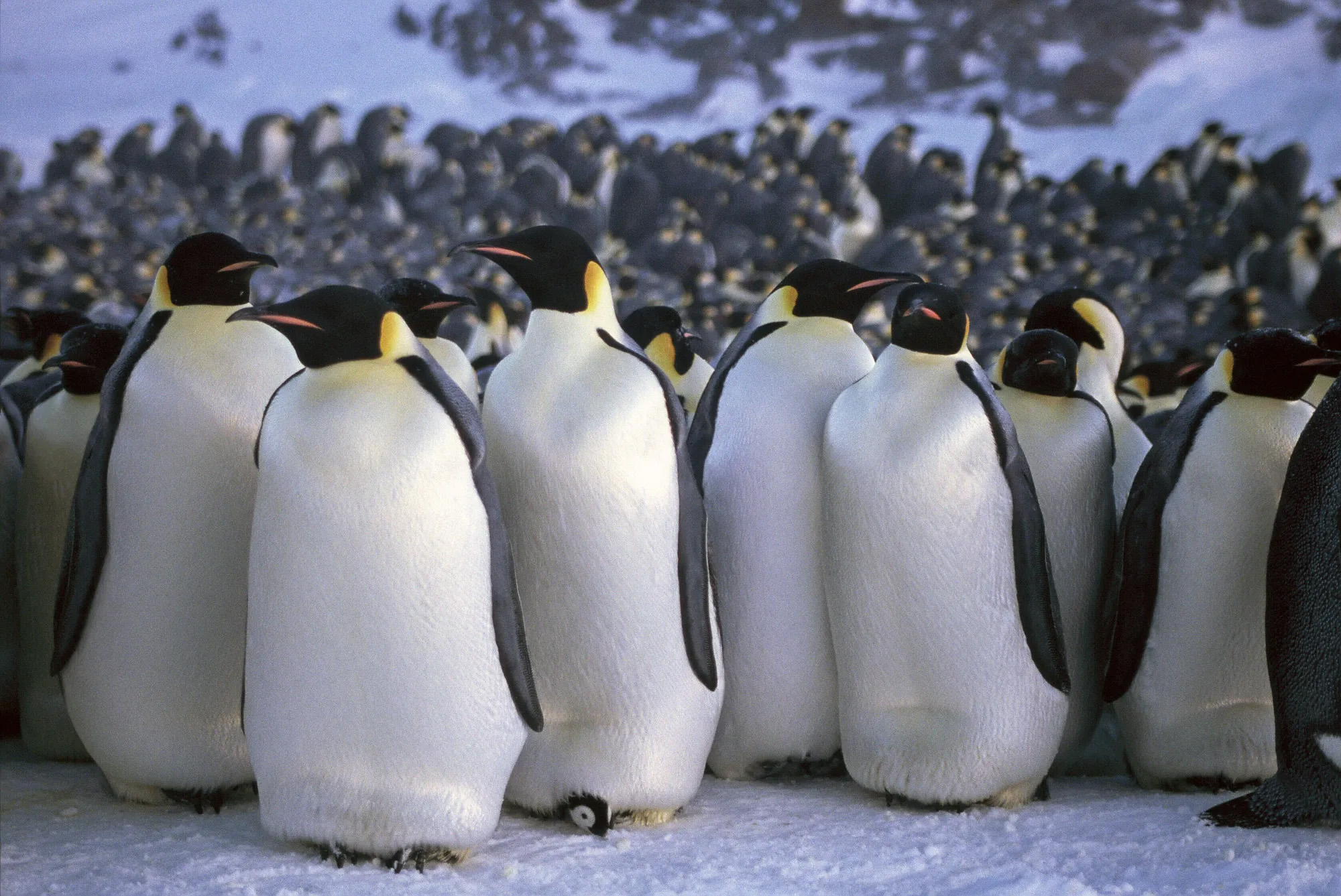
Students on Bruny Island recently stepped into the world of Antarctic research thanks to a visit from the Mawson’s Hut Foundation and its Mobile Antarctic Classroom.
Supported by the Tasmanian Community Fund (TCF), the program brought hands-on, interactive learning to Bruny Island District School, where students explored Antarctic and Southern Ocean wildlife through movement, sound and play.
Across the session, students took on the role of penguin biologists, learned to identify different penguin species, experimented with balancing eggs like breeding penguins and discovered the unique calls used by Antarctic animals to communicate.
Mawson’s Hut Foundation educator Tracy-Ann Hooley said the Mobile Antarctic Classroom was designed to engage students in active learning.
“Our sessions are really interactive and we like students to move around and learn in lots of different ways,” she said.
“We were penguin biologists for the day, learning how to identify different species and understand how they survive in such extreme environments.
Bruny Island District School Principal Kye Vincent said the visit strongly complemented classroom learning and the students’ connection to their local environment.
“Our kids are super connected to the environment and the place they live,” he said.
“They live amongst wildlife every day and learning about Antarctic animals builds on the work they are already doing in class.”
Ms Hooley said TCF support had enabled the foundation to expand its outreach to island and regional communities that have previously been difficult to reach.
“TCF support has allowed us to take the Mobile Antarctic Classroom to places like Bruny Island, with visits also planned for King Island, Flinders Island and Cape Barren Island,” she said.
“We really want students to feel a strong connection to Antarctica and to understand that there are many pathways for Tasmanians to stay connected to it through study and future careers.”
Beyond environmental learning, the sessions also highlighted future pathways for young Tasmanians, including careers linked to Antarctic science, logistics and conservation.
By bringing Antarctic education directly to local communities, the program is breaking down educational barriers to rural students by inspiring them to see future career opportunities closer to home and creating connections to a globally significant environment.