
Tasmania Counts expands with Devonport cluster launch
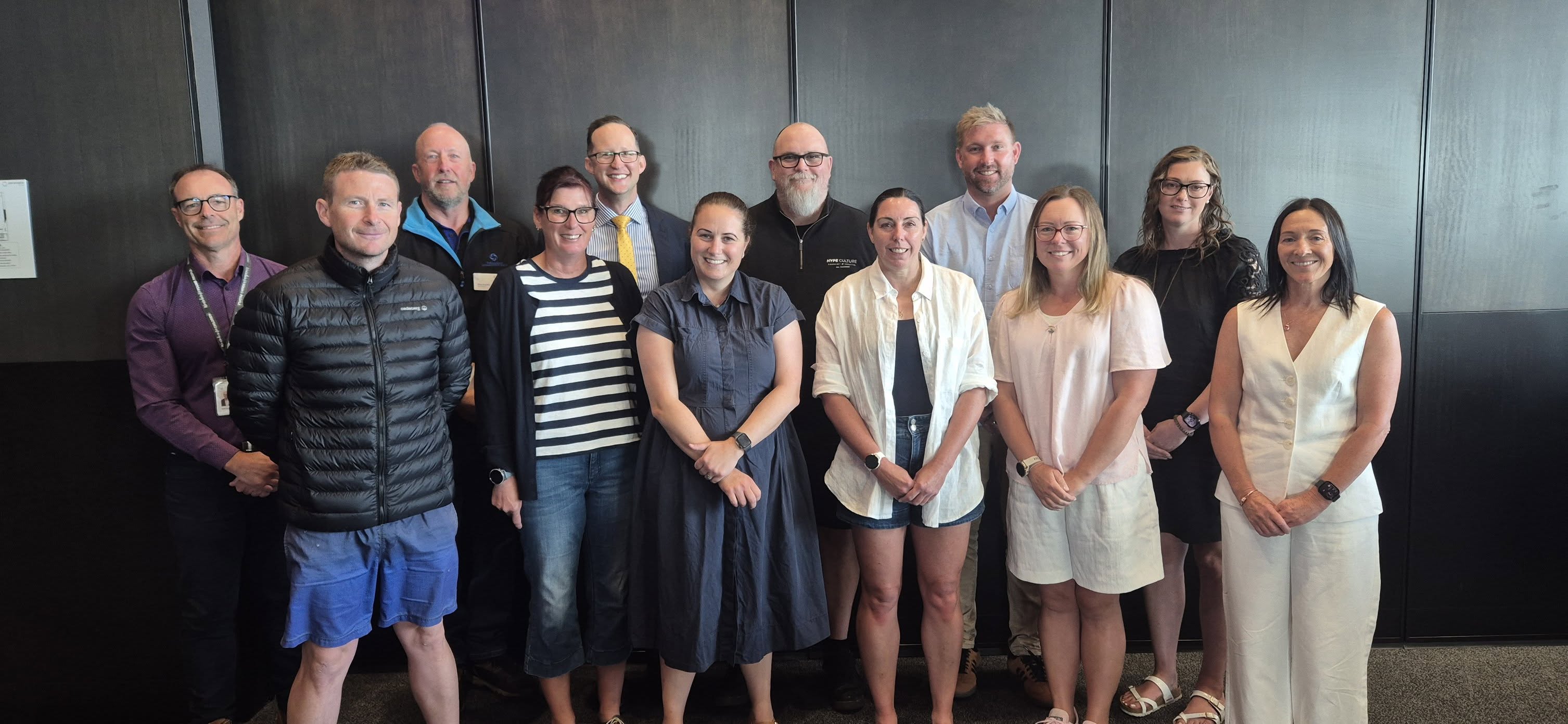
Following the strong success of Burnie Counts, Tasmania Counts has officially expanded into Devonport, bringing together schools committed to improving numeracy outcomes through practical collaboration and shared expertise.
Tasmania Counts Project Lead and Burnie High School Assistant Principal Joshua Salter said the expansion represented substantial step forward for the initiative.
“This week marked an exciting milestone as we officially launched our second cluster in the Tasmania Counts project,” he said.
“I’m incredibly excited to be working alongside schools in the Devonport community as Tasmania Counts continues to grow beyond its origins in Burnie.”
Tasmania Counts was developed to address Tasmania’s longstanding challenges in numeracy performance and to provide schools with a clear, practical blueprint for improvement.
Rather than adding another layer of policy, the model focuses on professional learning communities across schools, shared curriculum design, moderation sessions, assessment development and strong family and community engagement.
Mr Salter said the Devonport launch demonstrated the energy and willingness of educators to work together.
“The launch brought together around 250 educators, leaders and staff from across the Devonport cluster, highlighting the collective commitment to strengthening numeracy teaching and learning for Tasmanian students,” he said.
“The energy in the room reflected a genuine willingness to create change and work together across schools.”
Beyond improving mathematics results, the project also aims to build student confidence, strengthen transitions between schools and create connected communities around learning.
“Tasmania Counts is about more than maths, it’s about building confidence, strengthening transitions and building connected communities around learning,” Mr Salter said.
The Tasmanian Community Fund is proud to support the scaling of Tasmania Counts as it works toward establishing multiple self-sustaining clusters across the state by 2028, creating long term improvements in numeracy outcomes and educational success for Tasmanian students.